The Shadow over the Sanctuary: The Lifelong Mental Health Impact of Clergy Abuse
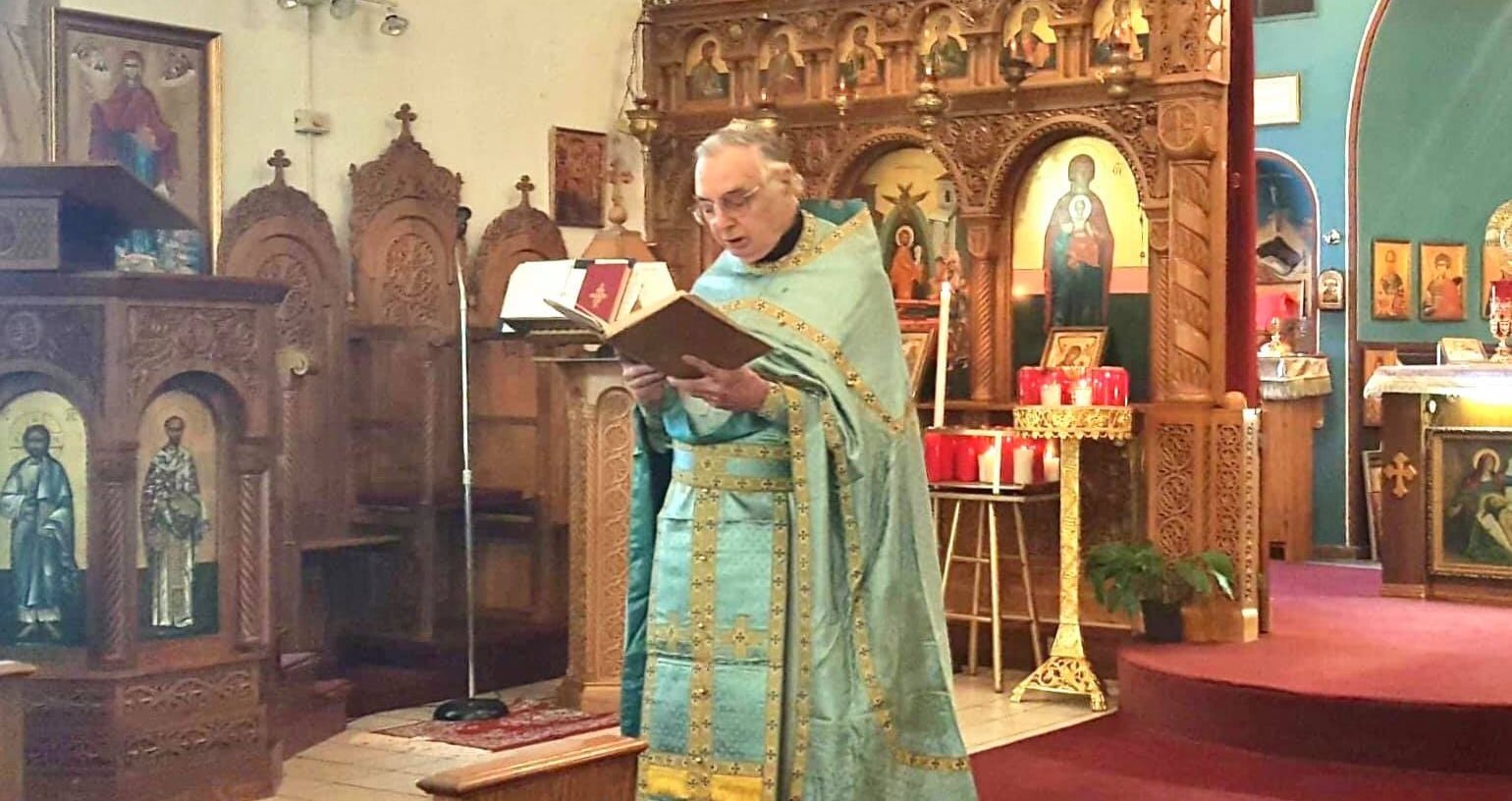
The betrayal of trust that occurs when a religious leader commits abuse is a trauma that defies easy categorization. In many communities, a priest is viewed not just as a mentor, but as a direct representative of the divine. When that figure utilizes their perceived holy authority to exploit a vulnerable individual, the resulting damage penetrates the deepest layers of the human psyche. This form of abuse is unique because it often involves the manipulation of a victim’s spiritual reality, making the path to recovery significantly more complex than in many other forms of interpersonal violence. The long-term effects of Louisiana priest abuse case on mental health are profound, often persisting for decades and influencing every aspect of a survivor’s adult life.
The Disruption of Developmental Foundations
For many survivors, the abuse occurred during childhood or adolescence, which are critical periods for the formation of identity and the ability to trust others. When a child is abused by a person of high social and spiritual standing, their internal compass for safety and morality is fundamentally broken. This often leads to a condition known as developmental trauma, where the brain remains in a perpetual state of hyper-vigilance. The child learns that even the most “sacred” spaces are dangerous, which can stunt the development of healthy emotional regulation and executive functioning.
As these individuals move into adulthood, the primary developmental casualty is often the capacity for intimacy. Because the initial betrayal happened in a relationship defined by care and guidance, the survivor may struggle to distinguish between affection and exploitation. This frequently manifests as an avoidant attachment style, where the individual keeps others at a distance to prevent further harm, or a disorganized attachment style, where the desire for closeness is constantly at war with a paralyzing fear of vulnerability.
The Persistence of Complex Post-Traumatic Stress Disorder
The mental health consequences for survivors often fall under the umbrella of Complex Post-Traumatic Stress Disorder, or CPTSD. While standard PTSD is often linked to a single event, CPTSD results from prolonged, repeated trauma where the victim has little or no chance of escape. Survivors of priest abuse frequently report symptoms that go beyond flashbacks and nightmares. They may experience chronic emotional dysregulation, where they are overwhelmed by sudden bursts of anger, sadness, or intense anxiety that seem to come from nowhere.
Dissociation is another common long-term effect. To survive the abuse, many children learn to “leave” their bodies mentally. In adulthood, this can become a chronic coping mechanism where the individual feels detached from their emotions, their surroundings, or even their own physical sensations. This fragmentation of the self makes it difficult to maintain steady employment or consistent personal relationships, as the survivor may feel like they are watching their life happen from a distance rather than living it.
Impact on Physical Health and Substance Use
The psychological weight of clergy abuse often manifests in physical ailments, a process known as somatization. Chronic stress and the constant activation of the “fight or flight” response can lead to a weakened immune system, cardiovascular issues, and chronic pain syndromes. Many survivors spend years seeking treatment for physical symptoms that are, at their root, the body’s way of storing the trauma that the mind cannot yet process.
To manage the overwhelming emotional pain and physical tension, a significant number of survivors turn to substance use. Alcohol and drugs often serve as a form of self-medication to numb the intrusive memories and the crushing weight of shame. While these substances provide temporary relief, they ultimately create a secondary cycle of addiction that further complicates the recovery process. The intersection of trauma and addiction requires specialized integrated treatment that addresses the underlying abuse rather than just the symptoms of dependency.
Conclusion
The long-term effects of priest abuse on mental health are among the most challenging traumas to treat because they involve the systematic destruction of a person’s spiritual, social, and psychological foundations. The betrayal by a religious figure creates a unique form of suffering that impacts a survivor’s ability to trust, to love, and to feel safe in the world. However, while the damage is deep, it is not insurmountable. With the right support, dedicated trauma-informed care, and the courage to face the shadows of the past, survivors can move from a state of fractured survival toward a life of wholeness and reclaimed agency. Recognizing the gravity of these effects is the first step in providing the justice and the compassionate care that survivors so deeply deserve.