
The Hidden Enemy of the Draw: How Climate and Environment Shape Leather Holsters
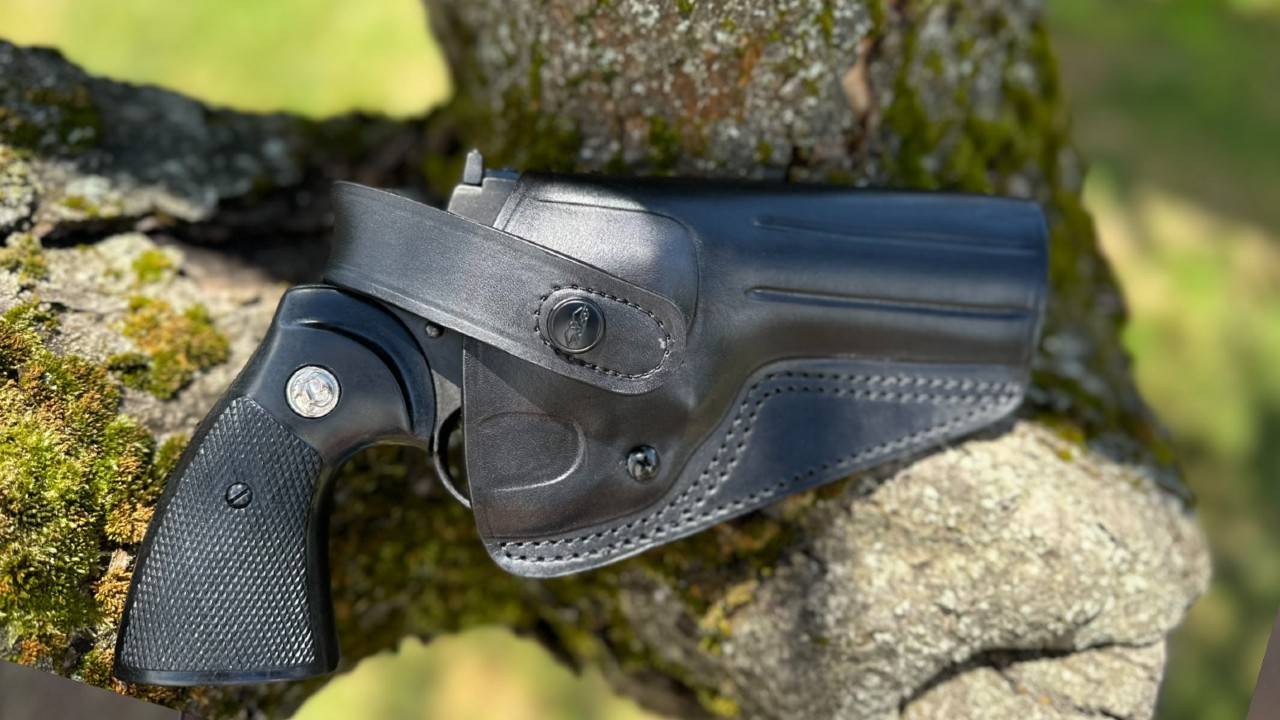
Leather has been the gold standard for firearm carry for centuries, prized for its comfort, durability, and the way it molds perfectly to both the weapon and the wearer. However, leather is an organic material, essentially a preserved skin that remains reactive to the environment around it. Unlike synthetic materials such as Kydex or nylon, leather breathes, absorbs, and reacts to the atmosphere. For those who carry a firearm daily, understanding how heat, humidity, and body sweat interact with a holster is not just a matter of aesthetics; it is a critical component of firearm maintenance and personal safety.
The Impact of High Temperatures and Direct Heat
Heat is one of the most common environmental stressors for leather, and its effects can be deceptive. When leather is exposed to extreme heat, such as being left in a parked car during a summer afternoon or sitting in direct sunlight for extended periods, the natural oils and fats within the hide begin to evaporate. These oils are what keep the leather fibers supple and flexible. Once they are gone, the leather becomes brittle and prone to cracking. This process often referred to as dry rot in its later stages, can cause the leather holster to lose its structural integrity.
Moreover, excessive heat can cause the leather to shrink or warp. If a holster loses its original shape, the retention level of the firearm is compromised. A holster that has shrunk may become too tight, making a smooth draw nearly impossible in a high-stress situation. Conversely, warping might cause the mouth of the holster to collapse, which creates a significant safety hazard during reholstering. It is vital to remember that leather should never be dried with a hairdryer or placed near a heater if it gets wet, as the rapid forced evaporation will almost certainly damage the fiber structure permanently.
The Corrosive Nature of Body Sweat
Perhaps the most aggressive climate a holster faces is the one created by the human body. For those who use inside-the-waistband carry methods, the holster is in constant contact with body heat and perspiration. Sweat is not just water; it is a saline solution containing salts, proteins, and oils that are remarkably corrosive to both leather and metal. When sweat permeates the leather, the salt stays behind even after the water evaporates. Over time, these salt deposits crystallize within the leather fibers, acting like tiny shards of glass that grind away at the internal structure every time the leather flexes.
This salt accumulation also creates a bridge for moisture. Salt is hygroscopic, meaning it attracts water from the air, keeping the holster damper for longer periods than it would otherwise be. This accelerated cycle of wetting and drying leads to the leather becoming stiff and “boardy.” For the firearm, the salt from sweat is a primary driver of finish wear. If a holster is not designed with a sweat shield—a piece of leather that extends upward to sit between the slide of the gun and the wearer’s skin—the salt will migrate directly onto the metal, leading to rapid oxidation and permanent damage to the gun’s bluing or coating.
The Longevity of a Well-Cared-For Holster
Despite the challenges posed by heat, humidity, and sweat, a high-quality leather holster can last for decades if it is treated with respect for its organic nature. The goal is to find a middle ground where the leather is neither parched and brittle nor soggy and soft. By paying attention to the subtle changes in the leather’s texture and appearance, a gun owner can intervene with the appropriate cleaning or conditioning before permanent damage occurs.
A leather holster is more than just a piece of gear; it is a functional tool that requires an understanding of the environment. Whether you are navigating the dry deserts of the southwest or the humid coastal regions, your holster is your firearm’s first line of defense. Taking the time to mitigate the effects of climate ensures that when you reach for your sidearm, the holster performs exactly as intended, providing a smooth, safe, and reliable draw every time.