Politics Trends to Watch Right Now
The political stage is alive with transformation. Around the world, governments, parties, and leaders are redefining priorities in response to changing societies. Citizens are more engaged, digital platforms amplify voices, and global events accelerate new directions. Observing politics trends now is essential for understanding not only the headlines but also the forces shaping tomorrow’s governance.
The Rise of Digital Democracy
Digital tools have moved far beyond convenience. Online platforms now drive campaigns, shape debates, and rally grassroots movements. Political leaders use social media not just for messaging but for direct dialogue with voters. This immediacy creates accountability but also challenges in combating misinformation.
These dynamics exemplify current political shifts where technology no longer plays a supporting role but leads as a central actor in political life. Nations that harness these tools responsibly are better positioned to engage their citizens constructively.
Climate and Sustainability as Core Agendas
Climate change has transitioned from peripheral concern to central mandate. Governments face pressure to integrate sustainability into every policy domain, from energy to trade. Citizens, especially younger generations, expect bold action and tangible results.
In this context, watch today’s politics closely, and environmental policies often reveal which leaders are willing to align governance with long-term planetary stewardship. Green investment initiatives, renewable energy commitments, and carbon reduction strategies are becoming benchmarks for global credibility.
Shifting Geopolitical Alliances
International relations are being redrawn. Traditional alliances face new tests, while emerging partnerships highlight pragmatic interests over historical ties. Trade routes, defense pacts, and diplomatic negotiations are all adapting to a multipolar world.
Such developments align with global change insights that remind us political landscapes are rarely static. Nations increasingly act with agility, forging flexible alliances that reflect current opportunities and challenges.
Populism and Grassroots Engagement
Populist movements continue to shape elections across continents. These movements thrive on connecting directly with public discontent, often challenging established elites. While critics highlight risks to institutional stability, supporters argue they bring fresh energy and accountability to stagnant systems.
This populist momentum is one of the defining politics trends now, offering both disruption and renewal. Its presence ensures that political systems remain responsive to evolving public sentiment.
Economic Policy as a Battleground
From inflation control to digital taxation, economic policy remains a top concern. Voters want stability, fairness, and opportunity, while governments must balance fiscal responsibility with growth strategies. Disputes over trade, currency regulation, and economic inequality shape campaigns and legislative priorities alike.
Here, current political shifts often mirror the struggles of ordinary citizens, connecting macroeconomic debates directly to household realities. The way leaders navigate these issues will define their legacies.
Identity and Inclusion in Governance
Diversity, equity, and representation are no longer optional themes. From gender equality in leadership to broader inclusion of marginalized groups, the demand for fairness is resounding. Constitutions, party platforms, and legislative agendas are adapting to reflect these voices.
By choosing to watch today’s politics through the lens of inclusion, one can observe how societies negotiate identity, heritage, and modern values. This negotiation often sparks debate, yet it also strengthens democratic resilience.
Security in an Interconnected World
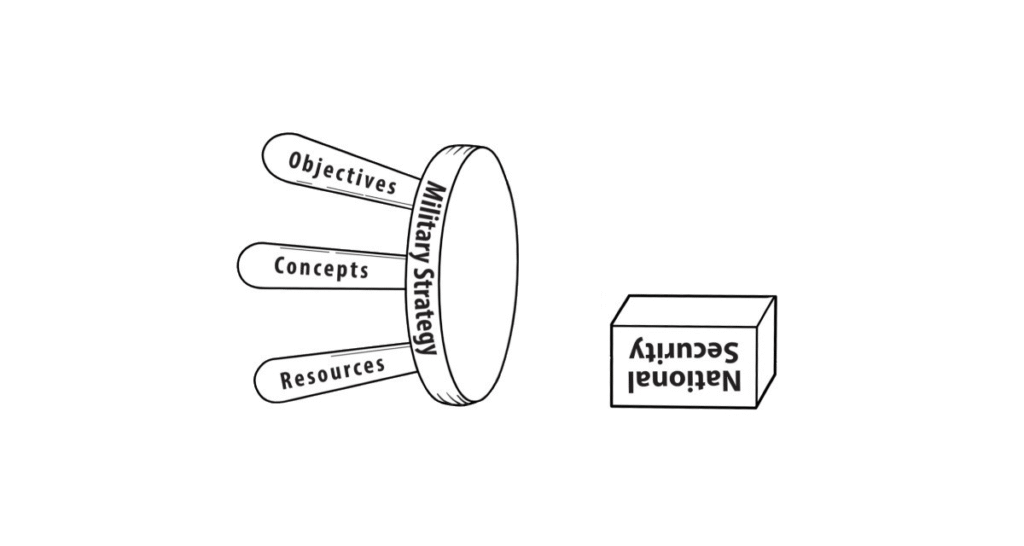
Global security concerns extend beyond traditional warfare. Cybersecurity, disinformation campaigns, and technological dominance define contemporary threats. Governments are now tasked with safeguarding not only borders but also digital infrastructure and intellectual property.
These realities provide sharp global change insights into how power is exercised in the 21st century. The battlefield is as much digital as physical, and resilience depends on innovation and international collaboration.
Conclusion
The rhythm of global politics is fast, complex, and deeply interconnected. Recognizing politics trends now provides clarity amid the noise. By observing current political shifts, choosing to watch today’s politics with attention, and studying global change insights, one gains perspective on where governance is headed.
Politics is more than policies or elections. It is a reflection of societies in motion, grappling with challenges, and striving for progress. Those who follow these patterns with curiosity and openness will see not only where the world is but also where it is heading.