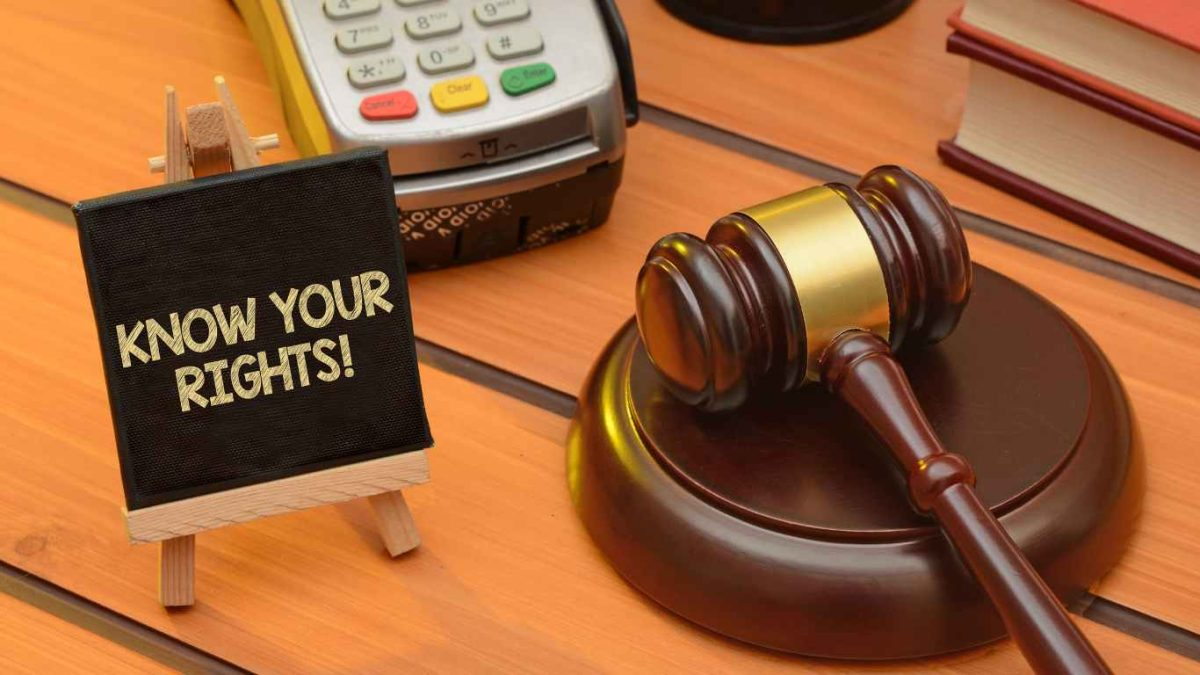
Know Your Rights: Unlocking the Power You Hold Under the Law

Know Your Rights: Unlocking the Power You Hold Under the Law
Every person interacts with the law in countless ways—whether signing a lease, applying for a job, voting, or simply walking down the street. Yet many individuals remain unaware of the rights and protections they possess under the legal system. This lack of awareness can lead to exploitation, injustice, and missed opportunities. The good news? Knowledge is power, and understanding your rights can help you navigate life with confidence, make informed decisions, and stand up for yourself when necessary.
This article aims to demystify key legal rights you hold in everyday situations. From consumer protections to workplace entitlements, freedom of speech to privacy rights, we’ll break down what the law guarantees you—and what to do if those rights are violated. By the end of this read, you’ll not only know your rights but also understand how to exercise them effectively.
Why Knowing Your Rights Matters
Knowing your rights is not just about avoiding harm—it’s about empowerment. When you understand the legal framework that governs your life, you can:
- Protect yourself from abuse and discrimination: Recognizing unjust treatment early allows you to take action before situations escalate.
- Assert your boundaries: Whether in a workplace, relationship, or public space, knowing what others can and cannot do ensures your autonomy.
- Access benefits and services: Many social programs, healthcare options, and financial aids are tied to legal eligibility—knowing your rights ensures you claim what you deserve.
- Hold entities accountable: From corporations to government bodies, awareness of your rights enables you to challenge wrongdoing through legal channels.
Ignorance of the law is not a defense, but knowledge is. While laws vary by country, state, or even locality, some fundamental rights are universal. Below, we explore categories critical to daily life.
Personal Freedoms and Civil Liberties
Your personal freedoms form the cornerstone of your legal identity. These rights protect your ability to live, think, and act without undue interference. Key rights include:
- Freedom of speech and expression: In most democratic societies, you have the right to voice opinions—even unpopular ones—without fear of government punishment. This includes speech online, in public spaces, and in private communications.
- Freedom of religion: You can practice, change, or refrain from practicing any religion. The law protects you from discrimination based on belief.
- Right to privacy: This includes protection from unreasonable searches and seizures, and control over personal data. Laws like the General Data Protection Regulation (GDPR) in Europe give you rights over how your information is used.
- Right to assembly and association: You’re free to gather peacefully, join organizations, or participate in protests—so long as your actions remain lawful.
These rights are not absolute, and limitations exist (e.g., hate speech or incitement to violence may be restricted). However, understanding where your freedoms begin and end is crucial to exercising them responsibly.
Consumer Rights: Protection in Daily Transactions
Every time you buy a product or service, you enter into a legal agreement. Consumer rights laws exist to ensure fairness, transparency, and safety. These include:
- The right to safety: Products must meet safety standards and not pose unreasonable risks. If a product is defective, you may be entitled to compensation.
- The right to information: Sellers must provide accurate, clear details about what you’re buying—price, features, risks, and terms.
- The right to choice: You have the freedom to compare options and make decisions without coercion.
- The right to be heard: If you have a complaint, businesses must have mechanisms to address it, and you can escalate unresolved issues to consumer protection agencies.
- The right to redress: If a product or service is faulty or misrepresented, you have the right to refunds, repairs, or replacements.
In many countries, consumer protection laws also cover unfair contract terms, misleading advertising, and digital privacy. Always keep receipts, warranties, and communication records in case of disputes.
Workplace Rights: What Your Employer Can—and Cannot—Do
Your job is more than a source of income—it’s a legal relationship governed by contracts, labor laws, and human rights standards. Knowing your workplace rights can prevent exploitation and ensure fair treatment. Key entitlements include:
- Right to a safe workplace: Employers must provide environments free from hazards, harassment, and discrimination.
- Right to fair pay and hours: You’re entitled to at least minimum wage, overtime pay where applicable, and reasonable working hours.
- Right to privacy: While employers can monitor work devices, they cannot excessively intrude into personal communications or medical information without consent.
- Right to form or join a union: You have the freedom to organize and bargain collectively for better working conditions.
- Protection from discrimination: It’s illegal for employers to treat you unfairly based on race, gender, age, disability, religion, or sexual orientation.
- Right to parental and sick leave: Many jurisdictions guarantee leave for childbirth, adoption, or caring for a sick family member.
If you face wrongful termination, wage theft, or unsafe conditions, document everything and consider consulting an employment lawyer or labor rights organization.
Housing Rights: Your Home as a Legal Sanctuary
Whether renting or owning, your home is protected by laws that define your rights and responsibilities. Understanding these can help you avoid eviction scams, unsafe living conditions, or unfair treatment. Key protections include:
- Right to habitable housing: Landlords must ensure properties meet health and safety standards—no mold, broken heating, or pest infestations.
- Right to privacy in your home: Landlords cannot enter without notice (typically 24–48 hours) unless there’s an emergency.
- Protection against illegal eviction: You cannot be forced out without proper legal procedures, even if rent is unpaid. Eviction moratoriums during crises (like pandemics) may provide temporary relief.
- Right to a written lease: Verbal agreements are hard to enforce—always get rental terms in writing.
- Right to withhold rent in some cases: If repairs are ignored, some laws allow tenants to pay rent into an escrow account until issues are resolved.
Before signing a lease, review it carefully. If you’re a homeowner, know your rights regarding property taxes, foreclosure protections, and zoning laws.
Digital Rights: Navigating the Online World Securely
The internet is a public space, but your digital life is protected by privacy and data laws. As technology evolves, so do your rights online. Key protections include:
- Right to data privacy: Laws like GDPR (Europe) and CCPA (California) give you control over how companies collect, use, and share your personal data.
- Right to be forgotten: In some regions, you can request the deletion of outdated or irrelevant personal information from search engines or databases.
- Right to free expression online: While platforms can set their own rules, you generally retain the right to express opinions unless they violate hate speech or defamation laws.
- Protection from cybercrimes: You have the right to report identity theft, hacking, or online harassment to law enforcement.
- Right to net neutrality (in some countries): Internet service providers cannot block or throttle your access to certain websites based on content.
Always review privacy policies, use strong passwords, and enable two-factor authentication. If your data is breached, report it immediately and demand transparency from the responsible party.
What to Do When Your Rights Are Violated
Knowing your rights is only half the battle—knowing how to defend them is crucial. If you believe your rights have been violated, take these steps:
- Document everything: Save messages, emails, receipts, photos, and witness statements. Evidence strengthens your case.
- Know the law: Research relevant statutes or consult reliable legal resources (government websites, nonprofit organizations).
- File a complaint: Many rights violations can be reported to agencies like the Consumer Financial Protection Bureau, Equal Employment Opportunity Commission, or local human rights commissions.
- Seek legal advice: Pro bono clinics, legal aid societies, or private attorneys can help assess your case.
- Take collective action: Join advocacy groups or class-action lawsuits to amplify your voice and hold powerful entities accountable.
Remember: time limits (statutes of limitation) apply to many legal claims. Acting promptly increases your chances of a successful resolution.
Empower Yourself: Next Steps to Take Action
Knowledge alone doesn’t change outcomes—action does. Here’s how you can start protecting and exercising your rights today:
- Educate yourself continuously: Laws evolve, so follow reputable legal blogs, attend workshops, or take free online courses on your rights.
- Use technology wisely: Apps and tools can help you track workplace hours, monitor rental agreements, or report discrimination anonymously.
- Talk about your rights: Share information with family, friends, and community members. Collective awareness leads to stronger protection.
- Support advocacy organizations: Groups like the ACLU, Amnesty International, or local tenant unions rely on public support to fight for justice.
- Vote and engage civically: Laws are created by people in power. Voting, contacting representatives, and participating in public forums shape the legal landscape.
Your rights are not just words on paper—they are living protections designed to uphold your dignity, freedom, and equality. While the legal system can feel complex and intimidating, understanding your entitlements transforms you from a passive participant into an empowered citizen. Start small: review a lease, ask about workplace policies, or check your credit report. Each step builds your confidence and strengthens your position in society.
Remember: the law exists to serve you. Don’t let fear or confusion silence your voice. Know your rights. Claim them. And when necessary, defend them—because the power to shape your future lies within the law itself.