Future Ready Skills for Government Jobs
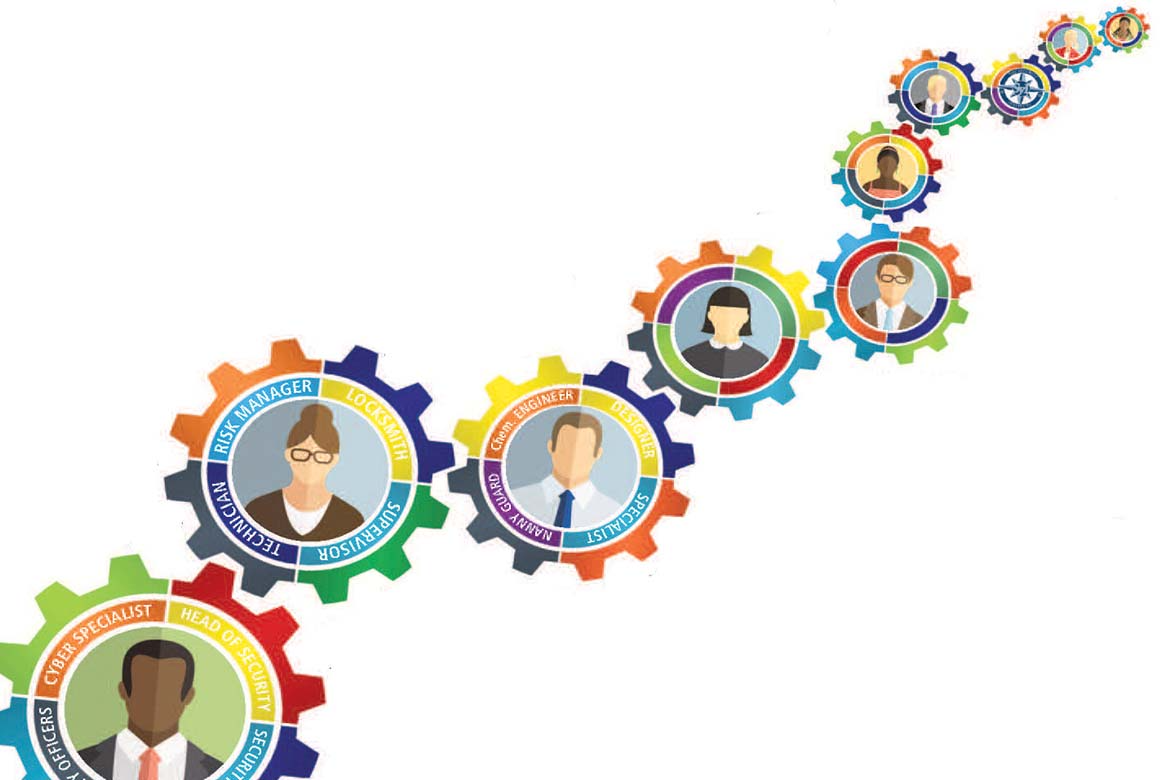
Government careers are evolving at an extraordinary pace. Once perceived as static and unchanging, today’s public sector roles demand agility, innovation, and a wide spectrum of expertise. As global challenges intensify and digital transformation sweeps across every industry, preparing for government jobs requires not only technical know-how but also strategic foresight.

The Need for Skills That Endure
The public sector must respond to complex issues ranging from climate change to cybersecurity. To meet these challenges, employees must cultivate skills for future roles that combine analytical thinking, digital fluency, and collaborative ability. Traditional competencies, such as policy knowledge and administrative skills, remain important. Yet, they must be paired with modern aptitudes that align with the shifting needs of society.
By embedding these future-ready capabilities, professionals ensure they remain relevant in positions that increasingly intersect with technology, international cooperation, and community development.
Train for What’s Ahead
Government organizations are investing heavily in training programs designed to build stronger, more adaptive workforces. Employees are encouraged to train for what’s ahead, embracing both technical and soft skills. This includes mastering data analytics, becoming comfortable with artificial intelligence applications, and learning to manage digital infrastructure.
At the same time, emotional intelligence, negotiation skills, and cultural awareness are equally vital. With public roles requiring engagement with diverse populations, the ability to listen, empathize, and communicate clearly remains at the forefront of professional excellence.
Future-Proof Your Career
The phrase future-proof your career is more than just a motivational slogan. In government service, it translates to continuous learning and proactive upskilling. Those who anticipate trends—whether in technology, law, or public health—gain the advantage of adaptability. Instead of waiting for reforms or policy shifts, forward-thinking professionals prepare in advance, ensuring they thrive in changing landscapes.
For instance, cybersecurity roles in government are expanding rapidly. Professionals who invest in certifications and digital literacy today will likely be at the forefront of tomorrow’s most critical positions. Future-proofing involves foresight, planning, and a willingness to embrace innovation with enthusiasm.
Adapt to Changing Needs
Governments must remain agile, responding to crises, public demands, and evolving global priorities. This makes it imperative for employees to adapt to changing needs with resilience and resourcefulness. Whether adjusting to new legal frameworks, sudden economic shifts, or international partnerships, flexibility is key.
Adaptability also extends to technological tools. Learning to navigate new platforms, work with advanced software, and integrate emerging systems into daily operations ensures efficiency and effectiveness. Employees who adapt quickly not only thrive individually but also contribute to stronger, more responsive institutions.
Key Skills for Tomorrow’s Government Workforce
- Digital Proficiency – From cloud-based systems to big data, understanding digital tools is no longer optional. It is essential.
- Policy Agility – The ability to interpret, implement, and adapt to evolving laws and regulations is invaluable.
- Critical Thinking – Government employees must evaluate complex situations, balancing short-term demands with long-term impact.
- Cross-Cultural Communication – With diverse communities and global interactions, cultural intelligence strengthens public service delivery.
- Leadership and Collaboration – Leadership is no longer confined to senior positions; every role benefits from collaborative problem-solving.
These skills combine to create professionals who are not only capable but also visionary in how they approach their work.
The Role of Continuous Development
Government institutions increasingly foster lifelong learning as part of their culture. Workshops, digital training platforms, and exchange programs are becoming standard features of employment. By encouraging ongoing education, the public sector ensures its workforce is always ahead of the curve.
Employees who embrace this mindset find themselves more engaged, more confident, and more capable of managing the unexpected. In effect, continuous development is not simply a perk—it is a necessity.
Building a Resilient Career Path
Resilience in a government career means more than enduring challenges. It means thriving amid them. By blending skills for future roles, committing to train for what’s ahead, working to future-proof your career, and learning to adapt to changing needs, individuals can build careers that withstand uncertainty and embrace possibility.
Resilient professionals not only elevate their own potential but also contribute to stronger governance, more effective policies, and more sustainable progress for communities they serve.
The future of government jobs will be defined by those who prepare today. Developing adaptive skills, investing in lifelong learning, and embracing innovation are no longer optional—they are prerequisites for success. With the right mindset and commitment, every individual has the ability to navigate the future with confidence, stepping into roles that truly make a difference.
Future-ready professionals will not just hold jobs; they will lead transformation, shape societies, and inspire trust in institutions that matter most.