The Complete Guide to Leather Holster Maintenance: Essential Tips for Preserving Quality
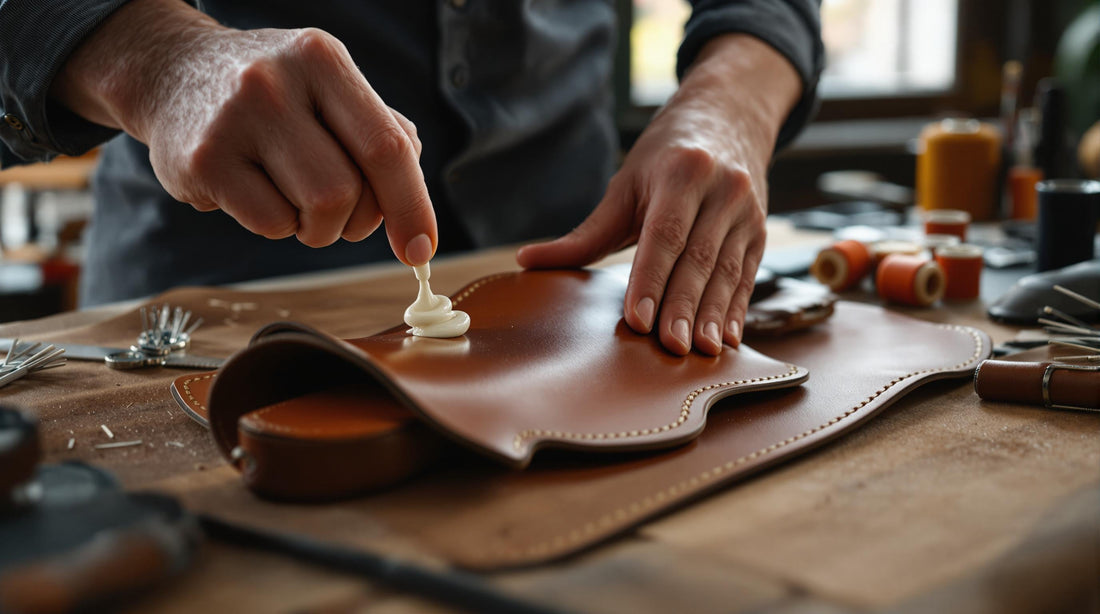
A high-quality leather holster is more than a tool for carrying a firearm; it is a finely crafted accessory built to offer comfort, security, and durability. Over time, genuine leather naturally conforms to both your body and your firearm, delivering a custom fit that synthetic materials struggle to replicate. However, because leather is a natural material derived from animal hide, it requires regular care to maintain its structural integrity, aesthetic appeal, and functional safety.
Without proper care, moisture, sweat, friction, and environmental dirt can cause leather to soften excessively, dry out, crack, or warp. Learning how to properly clean, condition, store, and break in a leather holster ensures that it remains reliable and comfortable for decades to come.
Daily Care and Routine Cleaning
Daily wear subjects a holster to body heat, perspiration, dust, and lint. Establishing a simple cleaning routine prevents dirt from embedding itself into the pore structure of the leather.
Start by wiping down the exterior and interior of the holster with a soft, micro-fiber cloth after a day of use. If sweat or grime has accumulated, dampen the cloth slightly with plain water. It is vital to use only a lightly damp cloth rather than a soaking wet one. Gently wipe the surface to lift dirt and oil residue.
For deeper dirt buildup, mild saddle soap can be used sparingly. Clean the leather with tiny circular strokes after applying a small quantity of saddle soap to a damp cloth and creating a gentle lather.
Wipe away all soap residues with a clean, barely damp cloth immediately afterward. Allow the holster to dry naturally at room temperature away from direct heat sources.
Breaking In and Maintaining Fit
A brand-new leather holster often feels extremely tight upon first use. This initial stiffness is intentional, as the leather will naturally stretch slightly to accommodate the exact contours of the firearm.
If a new holster feels overly restrictive, avoid applying oils or stretch solutions. Instead, place your unloaded firearm inside a clean plastic freezer bag or wrap it in a layer of wax paper. Insert the wrapped firearm securely into the holster and let it sit overnight. The thin extra layer gently stretches the leather fibers just enough to allow a smooth draw while retaining proper retention.
Repeat this process if necessary, testing the draw after each session. Once the optimal fit is achieved, regular use will maintain the shape without any further intervention.
Storage and Environmental Protection
When a holster is not in active rotation, proper storage conditions prevent mold growth, dry rot, and discoloration. Store your leather holsters in a cool, dry room with stable humidity levels.
Avoid storing leather in airtight plastic bags or sealed plastic bins, as trapped moisture creates an ideal environment for mildew and mold growth. Canvas bags or breathable cloth sacks are far better choices for storage. Additionally, keep leather products away from direct sunlight, which can bleach the finish and degrade the natural fibers over time.
Do not store firearms inside leather holsters for prolonged periods of disuse. Leather naturally absorbs airborne moisture, and storing a metal firearm inside it long-term can draw moisture against the finish of the gun, potentially causing rust.
A Lasting Investment
A well-maintained 1911 holster leather provides an ideal balance of comfort, retention, and classic visual style. By following a basic care routine wiping away daily sweat and dust, allowing wet leather to dry naturally, conditioning sparingly, and storing the item in a breathable environment you protect your investment for years of dependable use. Dedicating just a few minutes every few months to proper care keeps your leather holster looking handsome, fitting perfectly, and performing safely whenever you need it.